Whoever calls the lead knows less about them than the ad that attracted them
In the handoff of leads to sales, the salesperson gets a name and phone number and loses what the ad already knew. See the four pieces of information that change the call.
Published on
4 min read
Handing leads over to sales usually carries the name, phone number and email, and leaves behind what the ad platform already knew: which creative the person saw, which page they visited and what they downloaded. That is why the lead arrives cold and the first call starts from zero, even when the salesperson calls fast.
Speed still matters. The research published in the Harvard Business Review on online-generated leads concluded that most companies do not respond as fast as they should, a topic covered in the article on lead response time. But responding fast without context swaps the wait for a generic conversation.
What is known about the lead at the click and what reaches the CRM
At the moment of the click, the media and the site know quite a lot about the person, and in the CRM almost only the form is left. Before becoming a lead, they left a trail:
- the ad and campaign that brought them in, recorded in the UTM and in the click identifier;
- the pages they visited before filling in the form;
- the materials they downloaded and the emails they opened.
In the handoff of leads to sales, what reaches the CRM are the form fields that the integration mapped. The rest stays in the marketing tool or the media platform, which the salesperson cannot always open.
Four pieces of information that change the first conversation
Four pieces of data are enough for the salesperson to open the call knowing why that person showed up. Each one changes the first question:
- Source: someone who searched for the company name on Google already knows the brand, and someone who came from a social network may not yet.
- Campaign and ad: they show the promise that attracted the lead, and the conversation can start from the pain the ad touched.
- Pages viewed: visits to the pricing or comparison page are buying intent signals and indicate what stage the person is at.
- Material downloaded: it says which subject they studied, and the salesperson can start from there.
With that, the first contact with the lead starts with the right question. The same data helps decide which lead to prioritize when the queue grows faster than the team can call.
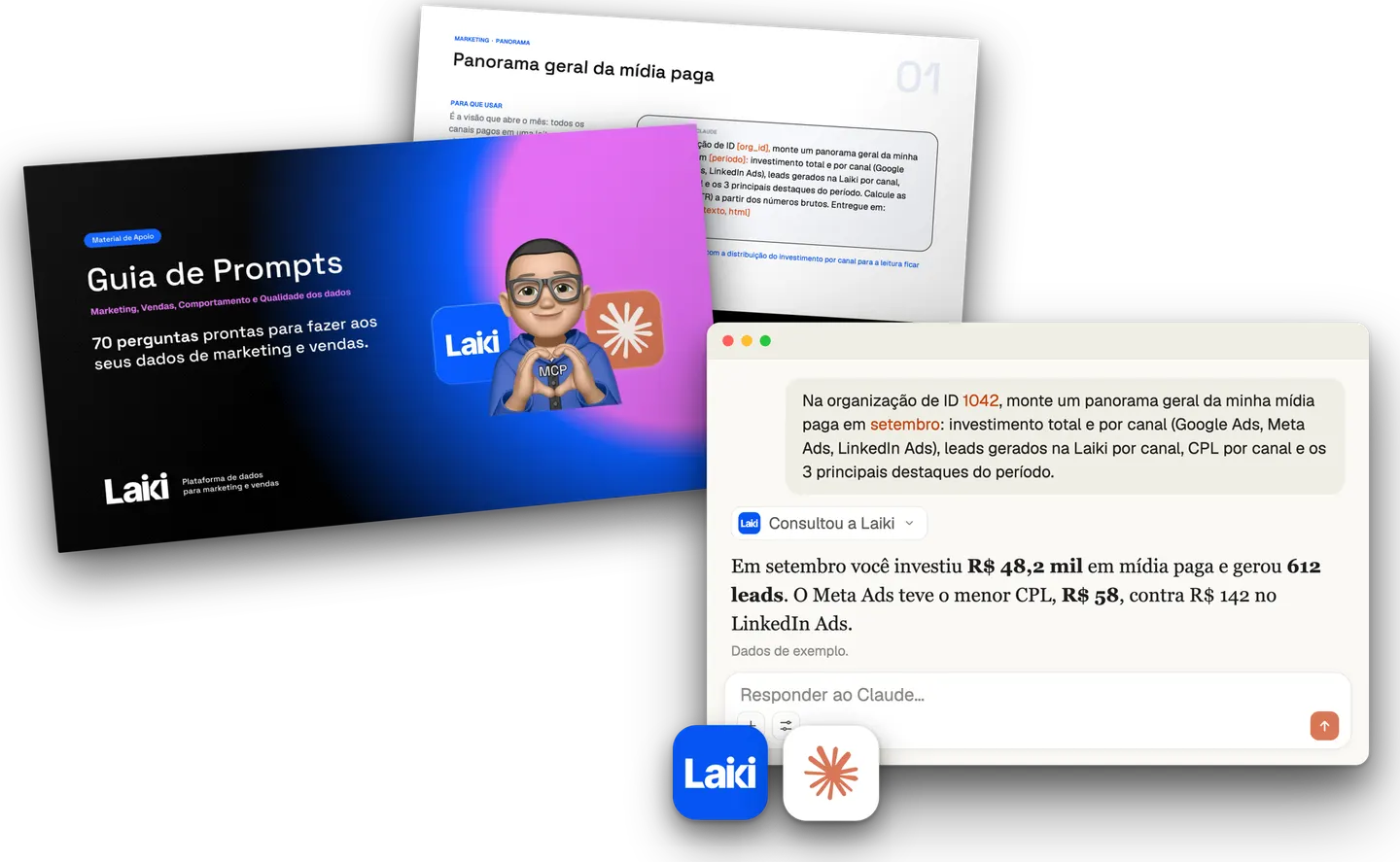 Resource · In PortuguesePrompt Guide for Marketing and Sales70 prompts with questions about marketing, sales and behavior to ask your data.Download the guide
How to tell the context got lost along the way
The clearest sign is the salesperson opening the call by asking “how did you hear about us?”. The question is polite, but it shows that the answer was not in the CRM.
The lead's answer tends to be vague, such as “I saw it on Instagram” or “a friend told me”. Other symptoms usually appear alongside it:
- a source field filled in by hand, with different names for the same channel;
- a salesperson repeating questions the form already answered;
- a lead complaining about having to explain everything again.
When the lead's answer becomes the only record of source, the database accumulates leads with no source. The report loses the channel that brought in the sale, and the next budget is decided without it.
The minimum context in the handoff of leads to sales
A good handoff between marketing and sales carries, along with the contact, a short record that the salesperson reads in seconds. Four fields solve most cases:
- source and campaign, recorded at the moment of conversion, without depending on someone typing them;
- the last pages visited, highlighting pricing and comparison;
- the materials downloaded and the date of each;
- the form answers, the way the lead wrote them.
Agree with the sales team on which of these fields are mandatory and where they appear on the salesperson's screen. If the data exists but sits in a tab nobody opens, for the person calling it does not exist. The integration also works in the opposite direction: when the salesperson changes the stage in the CRM, the integration between RD Station and CRM can move the lead into the right email cadence.
Frequently asked questions
What is the handoff of leads to sales?
It is the moment when marketing delivers to sales a lead ready for contact. It is also called a handoff, and its quality depends on what goes along with the contact.
What information should be sent along with the lead?
Source, campaign, pages viewed before the conversion and materials downloaded, plus the form answers. With that data, the salesperson knows why the person showed up before calling.
How can you improve the first contact with the lead?
Read the record before calling and open the conversation with the subject that brought the person in, whether the ad or the downloaded material. The question about how they heard of the company only comes in if that data does not exist.
To get the formula and a calculation example for every funnel indicator, from conversion by stage to sales cycle, download the Laiki Metrics Guide.